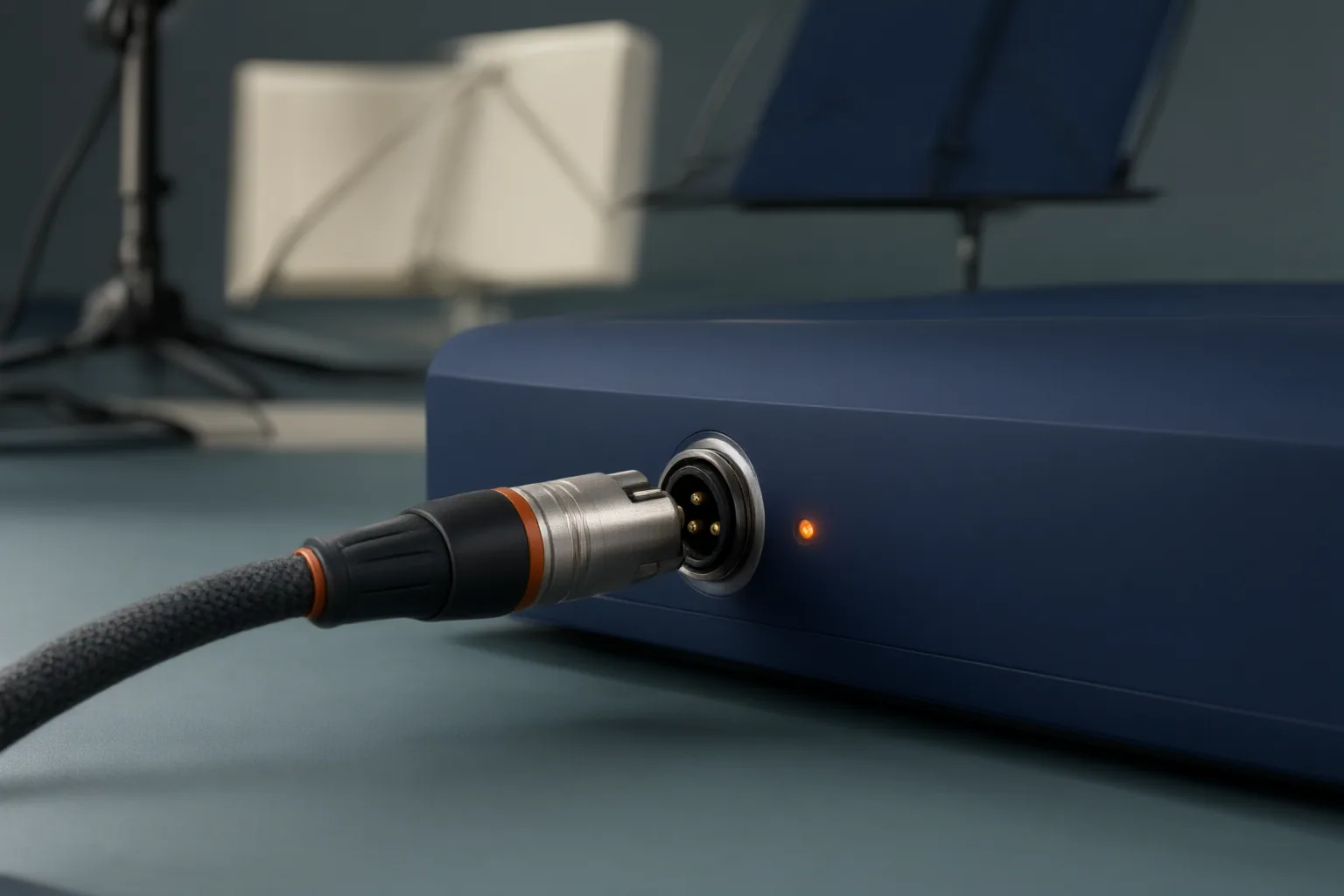
48 V phantom power sends DC through a balanced microphone connection to operate microphones with active electronics. It is safest to mute monitoring, connect and inspect the microphone path first, switch phantom power on only when the microphone requires it, and turn it off before disconnecting anything.
How 48 V Phantom Power Works
Phantom power combines microphone power and audio transmission on the same balanced connection. In a P48 system, a nominal 48 V DC supply is applied in common mode to both signal conductors, while the cable shield provides the return path. Because the same DC voltage is present on the two signal wires, the balanced audio connection can carry the microphone signal alongside the power supply.
P48 is one standardized phantom-power configuration. IEC 61938 also defines P12 and P24 arrangements. These labels identify nominal supply configurations; they should not be treated as interchangeable settings for every microphone.
The purpose of this power is to operate electronics inside a microphone. That may include an internal amplifier and, in a condenser microphone, the circuitry required for operation. The power comes from equipment such as a compatible microphone input and travels through the balanced microphone cable, avoiding the need for a separate power lead.
Which Microphones Need Phantom Power?
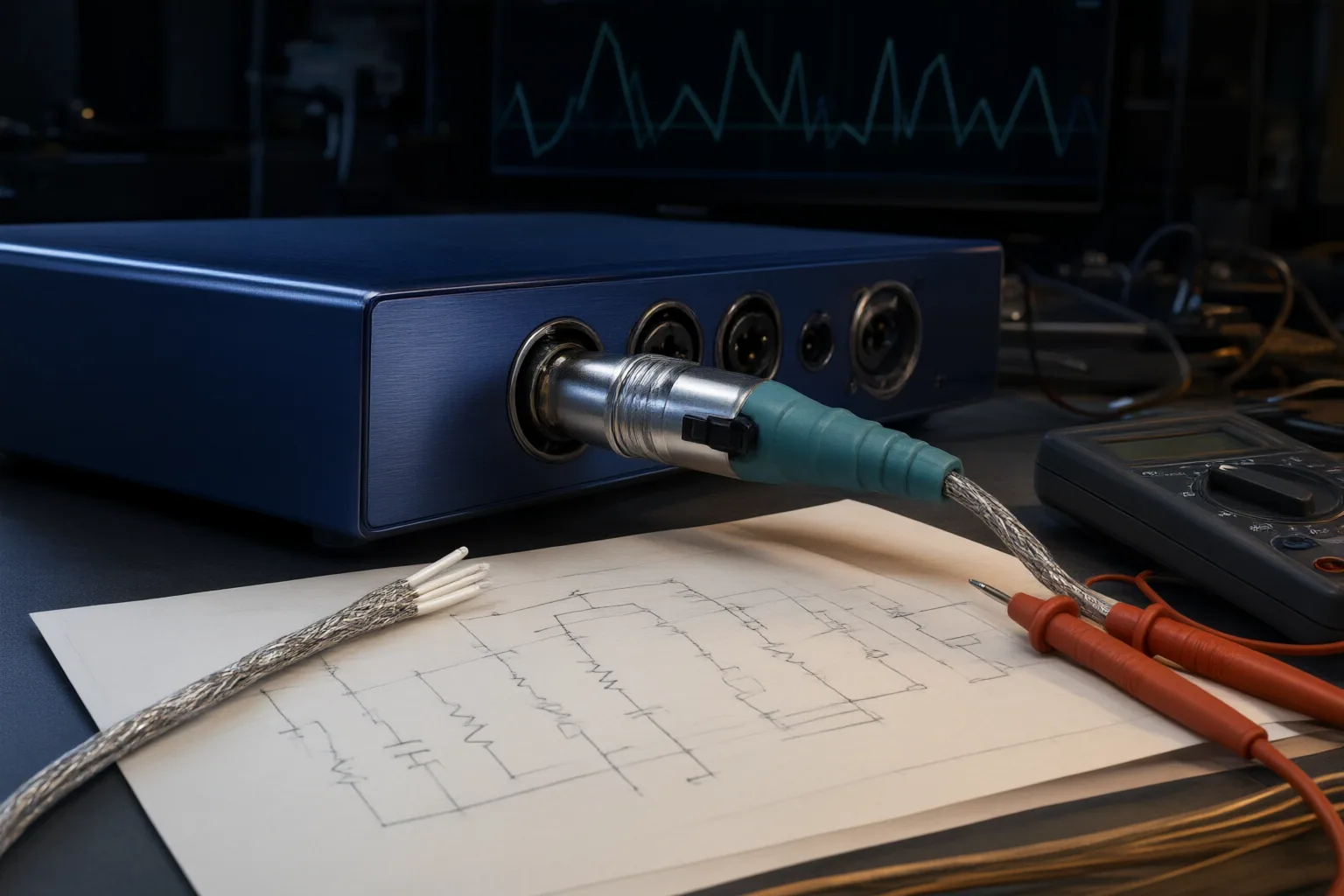
Microphones containing active electronics require a suitable power source, and condenser microphones commonly fall into this group. Most dynamic microphones, including most ribbon microphones, do not require phantom power. Broad categories are not enough to settle every case, however: the practical decision should be based on the documented requirements of the specific microphone.
Before enabling 48 V, determine whether the microphone is designed for P48 and whether the input can provide what it requires. This matters when distinguishing between designs that look similar but use different internal electronics. In particular, do not assume that every condenser, dynamic, passive-ribbon, or active-ribbon design has identical power needs simply because of its category.
Phantom power was designed to coexist with microphones that do not use it. That intended compatibility does not make every connection condition safe. Faulty wiring can disturb the balanced delivery of power, and connecting or unplugging equipment while phantom power is active can expose a microphone to unfavorable conditions.
A Safe Sequence for Switching Phantom Power On and Off
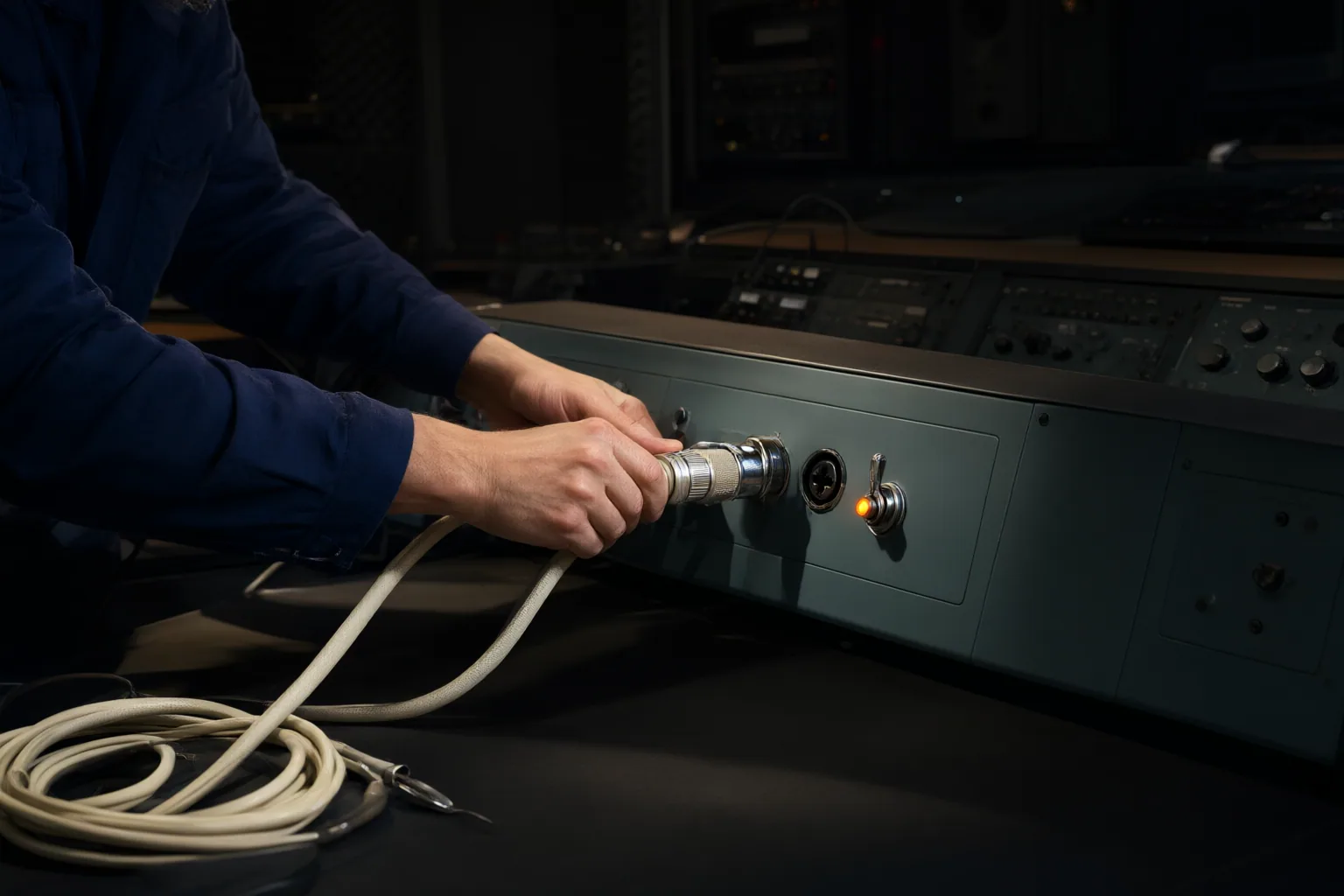
Use a deliberate order whenever connecting a microphone to a phantom-powered input:
- Lower or mute the monitoring level so switching noise is not sent loudly through the monitoring path.
- Leave phantom power off while checking and making the balanced microphone connection.
- Connect the microphone securely.
- Confirm that the microphone requires a compatible phantom-power supply, then enable phantom power.
- When finished, disable phantom power before unplugging the microphone.
This sequence reduces avoidable pops and avoids making or breaking the connection while DC is being supplied. No exact waiting time is established by the supplied evidence, so the important supported principle is the order: connect before switching on, and switch off before disconnecting.
Take wiring condition seriously. Although phantom power is intended to be compatible with microphones that do not consume it, SCHOEPS warns that faulty wiring or connecting and disconnecting while power is on can create a risk of microphone damage. Muting protects the listening path from switching noise, while correct connection order addresses the electrical risk at the microphone connection.
Conclusion
A “48 V” control identifies the nominal P48 supply, but the label alone does not prove that a particular microphone will receive suitable power. Available voltage and current, feed resistance, wiring condition, and input characteristics can affect operation. An inadequate supply may prevent proper operation, reduce maximum sound-pressure capability, or increase distortion. More voltage is not automatically better: SCHOEPS states that exceeding 48 V provides no benefit for its modern microphones with regulated internal supplies and instead increases heat loss.
Before recording, check the microphone’s documented power requirements and inspect the balanced connection. Mute or lower monitoring, connect the microphone with phantom power off, and only then enable the required supply.
Disclosures and limitations
- This article was prepared with AI assistance using only the supplied SCHOEPS and Audio Gear Hub source material; the practical switching guidance is secondary-source information, and no products were personally tested or used.
Related reading
- Design & Media Guides for Clear Visual Communication
- How to Review a Visual Design Using WCAG’s Four POUR Principles
Sources
- Article Detail — service.shure.com
- Phantom Power P48/P12 | SCHOEPS Microphones — schoeps.de
- Understanding Phantom Power and How to Use It Safely – Audio Gear Hub — Audio Gear Hub
- CPX microphone specs — cpx12.isemcon.com