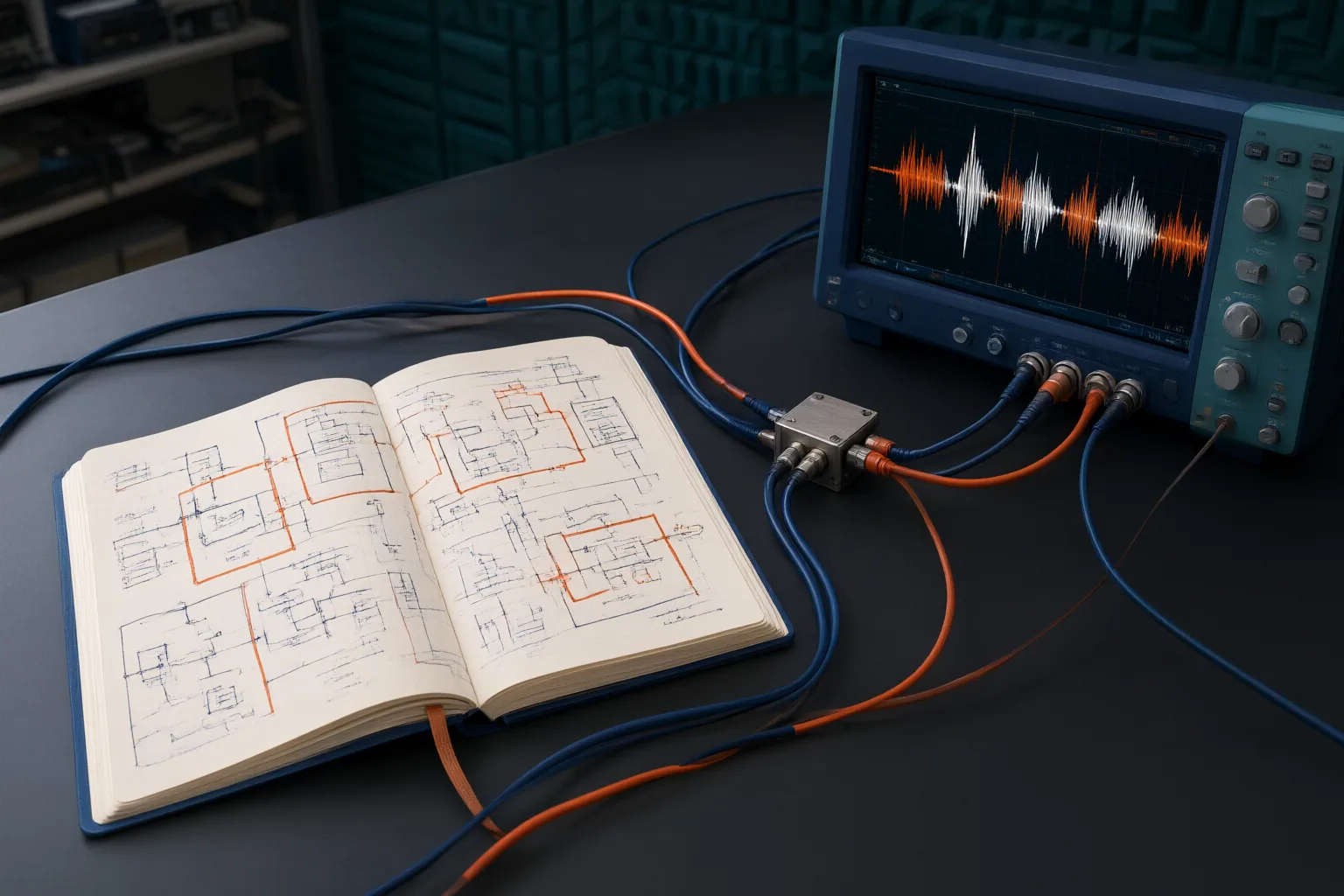
Before adopting an AI tool across a team, map the intended workflow, inventory every prospective input, output, device, and connection, and record the vendor questions that remain unanswered. This checklist supports that process without assuming how any particular AI product collects, retains, trains on, or shares data.
Map the Team’s Intended AI and Audio Workflow
Begin with the work your team actually plans to do. List each proposed task, such as organizing material for an audio project, supporting an educational exercise, or assisting a shared creative workflow. For every task, name the people involved, the material they may provide, the expected output, and who should be allowed to receive it.
Audio workflows can span more than a single file or application. Audio electronics broadly includes implementations that convert sound or pressure-wave signals into electrical signals and convert electrical signals back into sound or pressure waves. The field also covers areas such as digital audio, amplifiers, mixing, connectors, and tone, equalization, and filters. Retail categories illustrate another dimension of this variety, including speakers, wireless audio, home-theater systems, accessories, turntables, stereo components, and compact radios and stereos.
Use that breadth to make the review specific. Create one workflow row per task and record the source material, planned processing, output, participants, equipment, and approval owner. These are planning questions, not claims about an AI tool’s capabilities or policies.
Inventory Data, Devices, and Connections
For each workflow row, inventory what could cross the proposed tool boundary. Separate prospective inputs from generated outputs. Describe the material precisely—for example, an electrical audio signal, a digital-audio item, project notes, or an output intended for playback—without assuming that the vendor treats all material identically. Add where each item originates, where the team expects it to go, and which person is responsible for it.
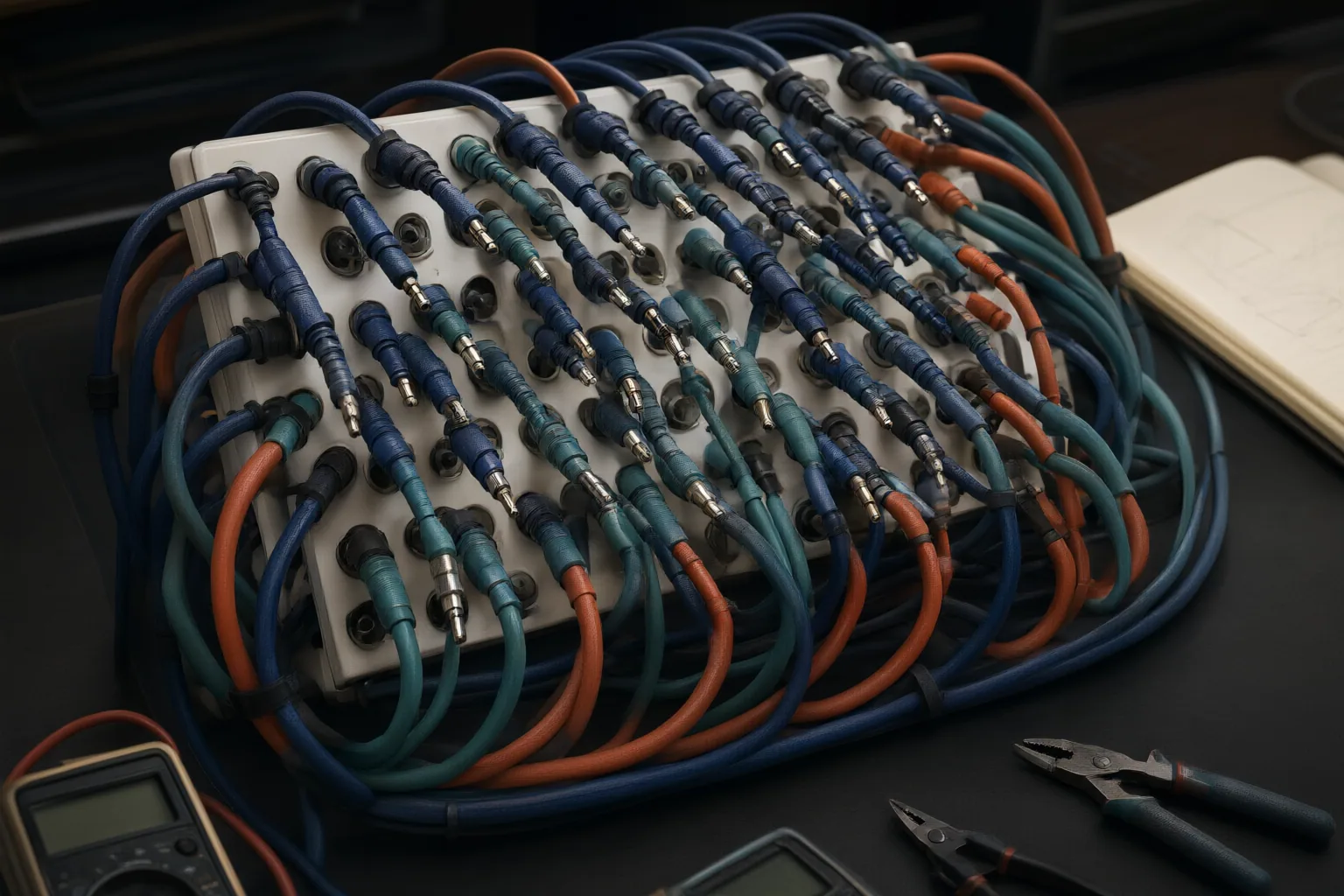
Next, draw the transfer path. The supplied retail source identifies connection filters including Bluetooth, auxiliary, RCA, HDMI, optical, USB, Wi-Fi, coaxial, Ethernet, and XLR. These examples show why a device inventory should not stop at computers or cloud services. Record any speakers, wireless-audio equipment, home-theater components, turntables, stereo components, adapters, or accessories that might participate in the workflow. Do not infer that an AI tool supports, monitors, or receives data from any listed connection merely because the connection exists.
For every proposed path, document five fields: input, output, transfer method, expected storage location, and authorized people. Then mark assumptions separately from facts confirmed in vendor documentation. The available sources do not establish any AI vendor’s collection, retention, training, deletion, or sharing practices, so those fields must remain unresolved until supported by relevant vendor information.
Questions to Resolve Before Team Adoption
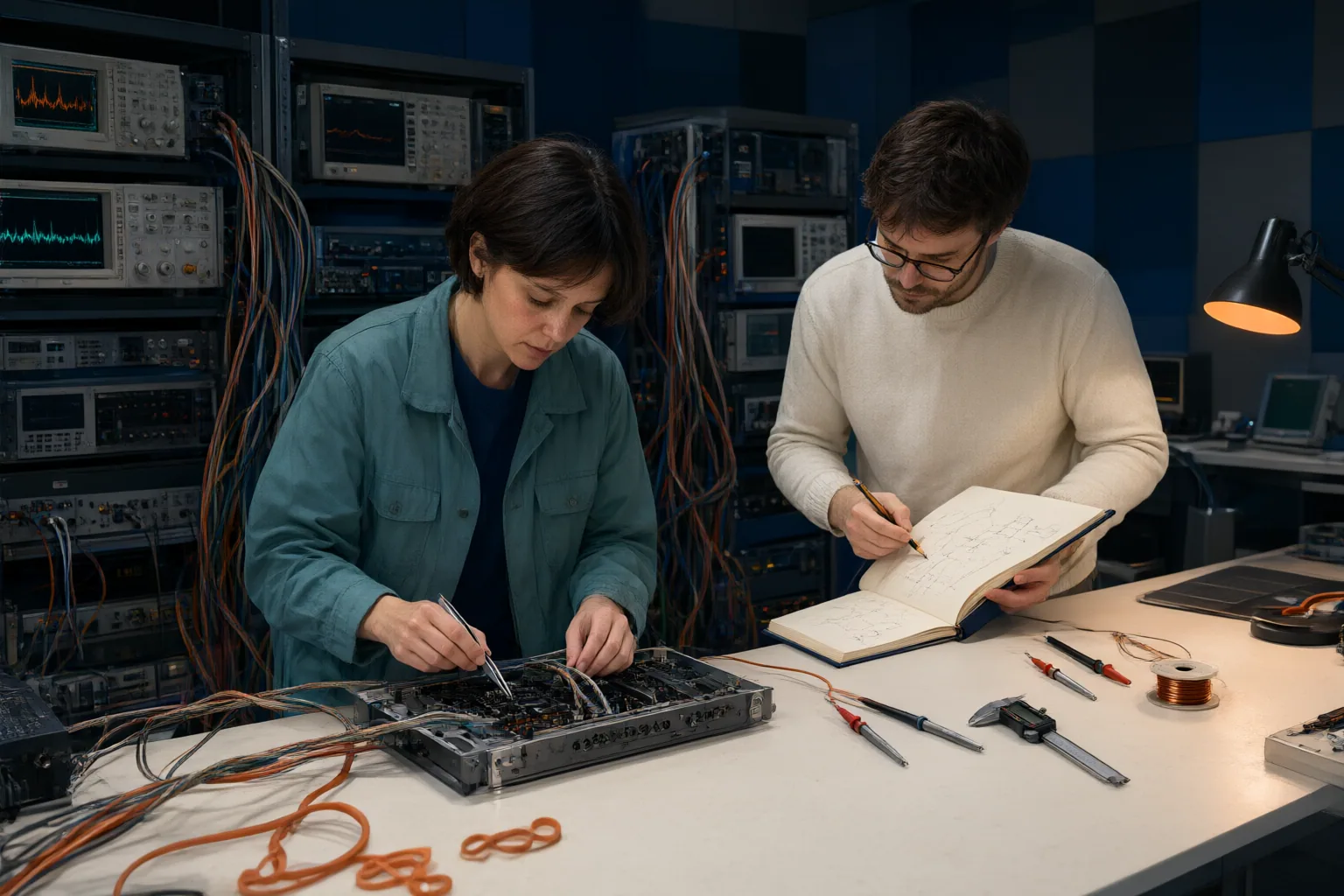
Turn every unresolved field into a written buyer question. Ask the vendor what inputs the service accepts, where submitted material and generated outputs are processed or stored, who can access them, whether they are retained, and what deletion options apply. Ask whether submitted material or outputs may be used for model training or other purposes, and request the applicable documentation. These are questions for investigation; the supplied audio-electronics sources do not answer them.
Internally, decide who may submit material, what kinds of material are permitted, who reviews outputs, and who owns approval. Ask whether the team has permission to provide each prospective input, especially when several students, collaborators, musicians, or customers may have contributed. Record any restrictions beside the relevant workflow rather than relying on a general verbal rule.
Also compare the vendor’s answers with the connection map. Where the workflow includes digital audio, mixing, amplifiers, signal connectors, or home-audio equipment, identify the exact handoff into and out of the proposed tool. Do not equate a familiar connector or equipment category with a confirmed product integration. Assign an owner and due date to every unanswered question, and keep adoption pending wherever the answer could materially change the approved workflow.
Conclusion
A useful data-boundary review is a documented decision process tied to a real workflow. Audio electronics encompasses signal conversion and areas including digital audio, amplification, mixing, connectors, and filtering, while home-audio assortments span numerous components and connection types. That variety makes precise mapping important, but it does not establish any AI product’s data practices.
Before approving shared use, document the team’s intended inputs, outputs, participants, devices, transfer paths, and expected storage locations. Separate confirmed terms from assumptions, then obtain and record answers to every unresolved vendor question that could affect the proposed use.
Disclosures and limitations
- This article was prepared with AI assistance from the supplied research package. Its factual examples are limited to the cited audio-electronics and home-audio sources; those sources do not establish any AI vendor’s data-handling practices.
- No products are recommended here, and no affiliate relationship is asserted. Any future commercial links or recommendations should be disclosed and independently reviewed rather than treated as evidence of suitability.