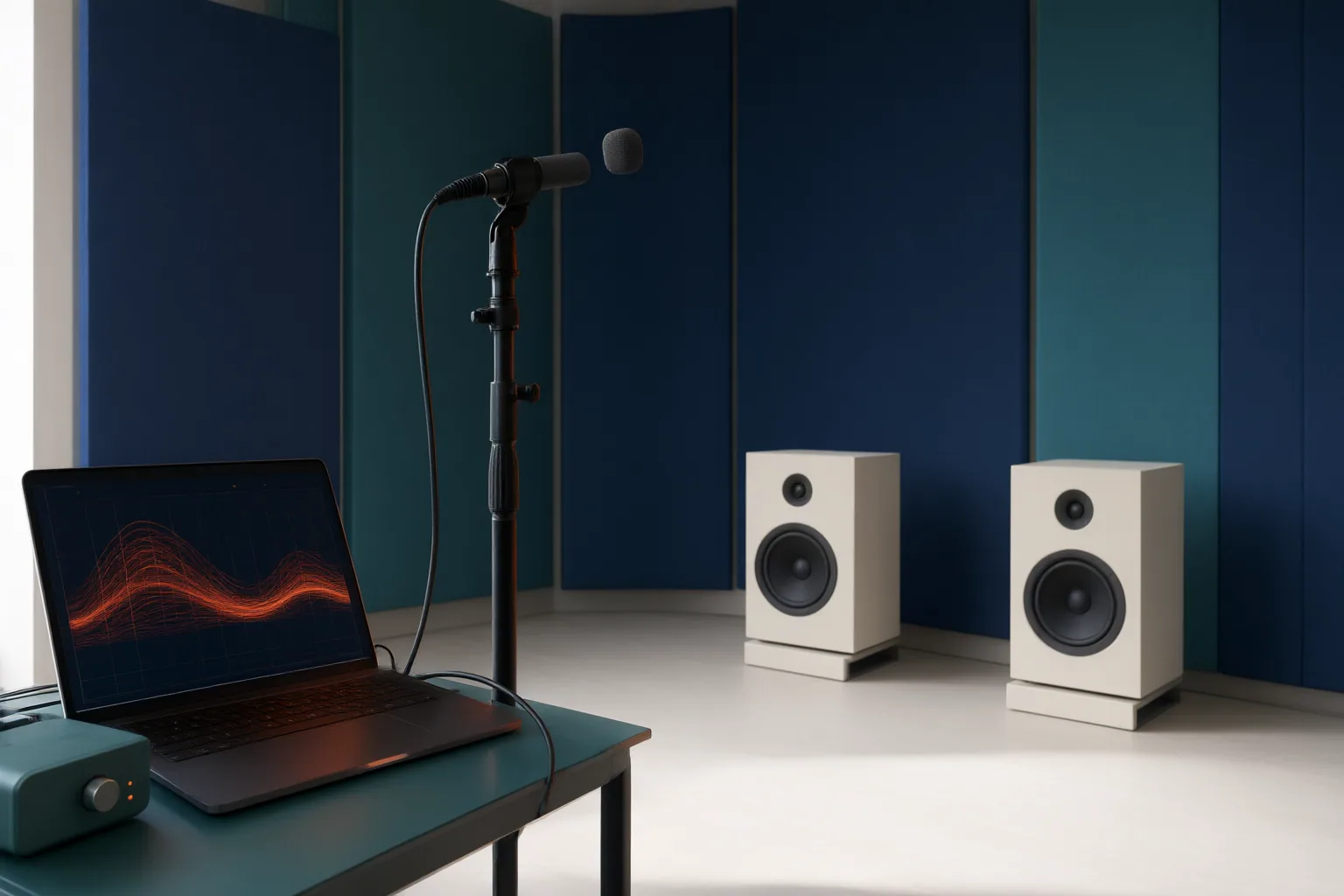
Use room dimensions to predict likely low-frequency behavior, then verify the real setup with repeatable measurements. Comparing several speaker and listening positions is more informative than trusting a calculator or a single sweep.
Why room modes make bass change with position
In domestic-size listening rooms, frequencies below 200 Hz can be dominated by discrete resonances. Their effects vary with both frequency and position, so bass that sounds excessive in one seat may be weaker elsewhere. Speaker location matters too: Linkwitz Lab cautions that placing conventional omnidirectional box speakers in corners tends to excite more resonances. This may increase bass at selected frequencies while making the overall low-frequency response less uniform.
These principles do not produce one universally correct placement. They explain why uneven bass should be investigated by changing and measuring speaker and listener positions rather than by judging the room from a single location.
Build a repeatable room-measurement baseline
Begin by recording the room dimensions. Dimensions can be used to calculate likely room modes and other acoustic characteristics, but the result is only a starting model. Real walls, doors, windows, openings, floors, and ceilings are not ideal boundaries, and a loudspeaker’s radiation characteristics influence which potential modes it excites.
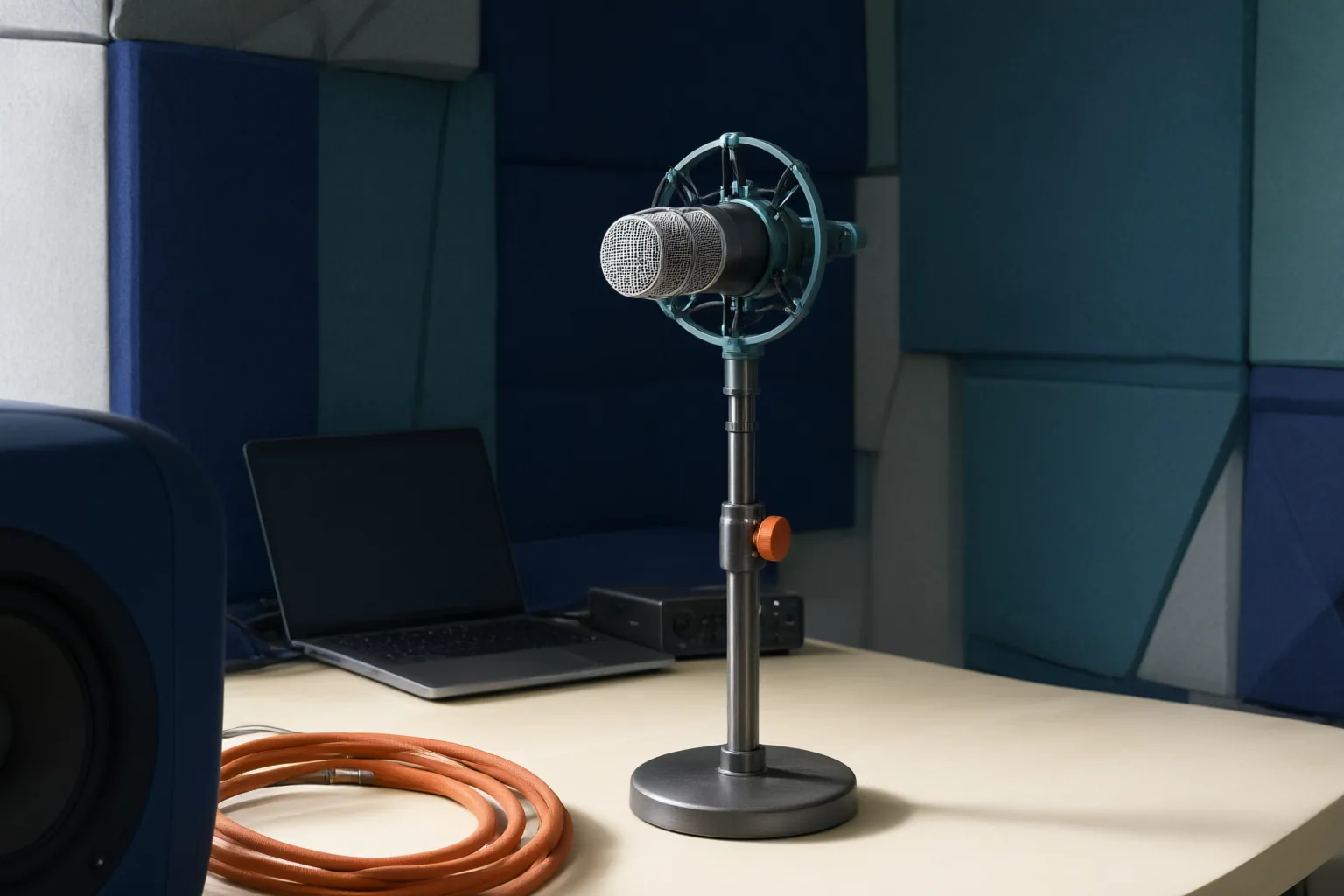
Next, establish a baseline with Room EQ Wizard and a calibrated measurement microphone. The cited measurement guide says the software can generate sweeps and analyze frequency response, impulse response, RT60, and waterfall views. Load the microphone’s individual calibration file and follow its maker’s orientation guidance.
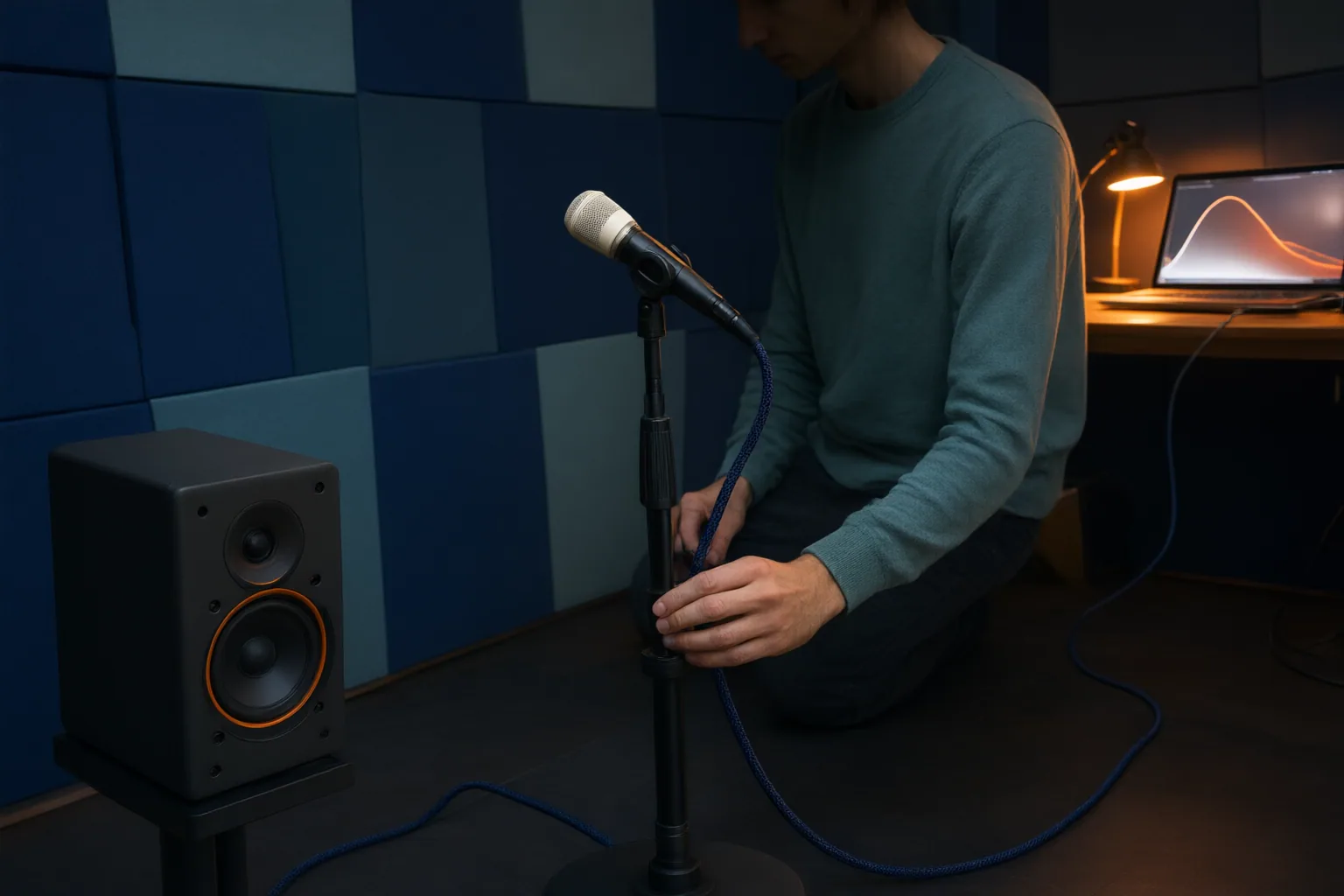
Place the microphone at ear height at the primary listening position for the first sweep. Document its exact location along with speaker positions, aiming, signal routing, and measurement level. Keep those conditions unchanged when you want a valid before-and-after comparison. This repeatability is especially important before purchasing or positioning acoustic treatment.
Compare positions and interpret the results
After measuring the main seat, repeat the process at additional seats and at representative locations near room boundaries. Comparing these sweeps shows whether a peak or dip persists across the listening area or changes sharply with position. That spatial evidence helps distinguish a broad setup problem from behavior concentrated around one microphone location.
Use the available views for different questions. Frequency response shows level variation across frequency; impulse response, RT60, and waterfall views provide other perspectives on arrival and decay behavior. Interpret them together instead of treating one graph as a complete diagnosis.
Then move either the speakers or the listening position—not both—and repeat the same measurements. A change that improves one exact point may perform differently elsewhere, so compare the main seat with the other sampled positions. Calculated modes can help identify likely trouble regions, but measured results should guide conclusions about the actual room. Simplified predictions cannot fully represent construction details or the way a particular loudspeaker excites resonances.
Conclusion
Treat calculation, measurement, and placement as a loop. Use room dimensions to anticipate possible resonances, measure the existing arrangement, change one placement variable, and repeat the same sweeps. Compare several locations rather than optimizing blindly for one point.
Before buying or positioning acoustic treatment, record your current speaker and microphone locations, take a baseline measurement at ear height, and save the conditions needed to reproduce it. That baseline gives every later change a consistent reference.
Disclosures and limitations
- This article was prepared with AI assistance from the supplied research package. Material claims are based on the listed source IDs, including commercial providers and Linkwitz Lab; no product was tested or endorsed, and no affiliate recommendation is made.
Related reading
- Digital Skills for Practical, Confident Technology Use
- Gaming Computer Buying Guide for Learners and Creators
Sources
- How to Measure Room Acoustics: A Step-by-Step Guide – MegaServices LLC — MegaServices LLC
- Room acoustics planning & measurement – HOFA-Akustik — hofa-akustik.de
- Room Acoustics — linkwitzlab.com