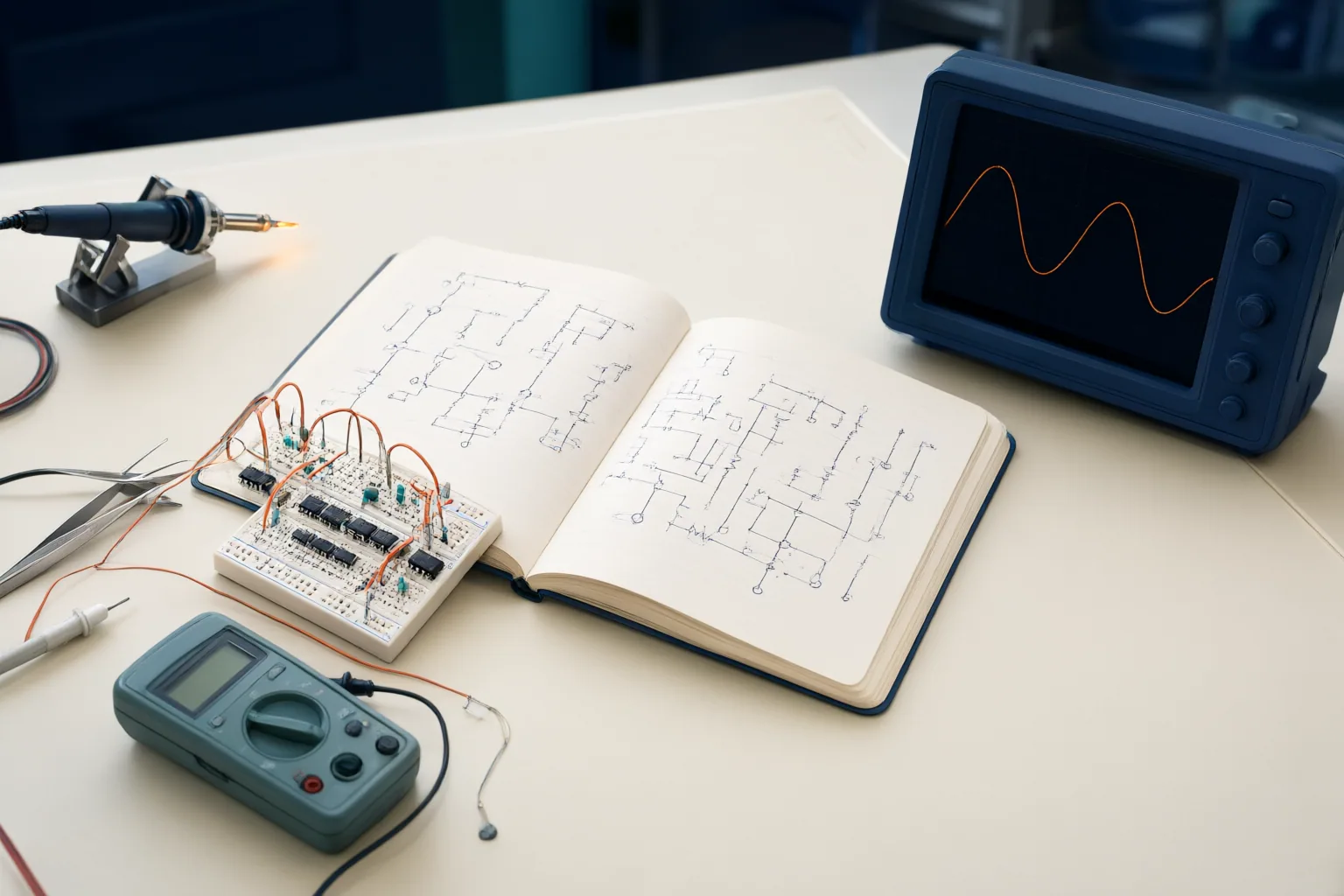
A reproducible technical tutorial identifies its audience and goal, presents the task as a scannable procedure, uses visuals where they clarify the process, and includes troubleshooting guidance that helps readers locate and address failed steps independently.
Define the Reader, Goal, and Starting Conditions
Begin by identifying who the tutorial serves and what task it will help that reader complete. The supplied sources distinguish user documentation for people with varying proficiency from expert-facing material that can assume greater familiarity with terminology and methods. This supports an audience-aware editorial approach: explain necessary terms for newcomers without burying the procedure in jargon, while avoiding unnecessary background for experienced readers.
State the intended outcome near the beginning. Then provide the context a reader needs to start. The exact starting information will depend on the task; treating it as an editorial decision, rather than a universal formula, keeps the tutorial focused on independent task completion.
Turn the Task Into a Reproducible Procedure
Separate the procedure from surrounding explanation. Document360 recommends presenting procedures instead of relying on paragraph-form instructions, and identifies work instructions, checklists, SOPs, process maps, and flowcharts as process-documentation formats intended to improve consistency and reduce errors. HeroThemes likewise treats how-to and installation guides as common forms of user documentation.
Translate that guidance into a clear sequence: place actions in their required order, give each action a distinct step, and keep related cautions or explanations close to the relevant action. A checklist can help readers track progress when a task contains several parts. Paragraphs still have a role for context, but the actions themselves should remain easy to find and scan. This structure gives a reader a practical path for repeating the procedure rather than extracting instructions from dense prose.
Add Visual Cues and Failure-Diagnosis Guidance
Use a visual when it clarifies a relationship, sequence, or decision that prose alone makes difficult to follow. Both supplied sources include diagrams or other visuals among useful documentation formats, while Document360 specifically identifies flowcharts and process maps. A visual should support the procedure, not replace the instructions a reader needs to act.
Troubleshooting belongs beside the procedure or in a clearly labeled section. The sources describe troubleshooting documents, FAQs, and troubleshooting tips as ways to help readers address problems independently. For each failure covered, connect the visible problem to the relevant part of the procedure and provide a supported recovery action. Avoid implying that one symptom proves a cause when the available material does not establish that relationship.
FAQs are useful for recurring points of confusion, while a decision-oriented flowchart can make branching recovery paths easier to follow. Together, procedural structure, visuals, and troubleshooting guidance help readers determine where to look when a task does not proceed as expected.
Conclusion
Before publishing, review the tutorial for four qualities: a defined audience and outcome, a scannable procedure, visuals that genuinely clarify the process, and troubleshooting guidance connected to likely points of failure. These are evidence-informed editorial practices drawn from commercial documentation guidance, not universal requirements. Apply this checklist to one tutorial now and revise any section that makes independent completion or diagnosis unnecessarily difficult.
Disclosures and limitations
- This article was drafted with AI assistance using only the supplied research package and was not based on personal product use, testing, or interviews.
- The supporting material comes from two commercial documentation-industry sources rather than standards bodies or primary research. The supplied Document360 excerpt also labels its summary as AI-generated and potentially erroneous, so its claims should receive additional editorial verification before publication.
Related reading
- Publication Standards and Editorial Scope
- Apple TV Audio Signal Flow: How to Trace HDMI No-Sound Problems
Sources
- Technical Documentation: A Complete Beginner's Guide with Examples — HeroThemes – Happier Customers, Fewer Support Tickets.
- Essential Technical Writing Examples Every Writer Should Know — Document360